
Peptide research articles: trial results, explained with citations
These peptide articles answer the questions people ask, with the trial number first. Written by the Evidence Research Team. Research information, not medical advice. No dosing protocols. The GHK-Cu research profile is the copper-peptide file. Reviewed study summaries belong in the study library.
Latest
Copper peptides for hair
Cosmetic face serums with a stated copper peptide percentage. COSRX was sold by the brand on Amazon. No hair-growth trial.
Read the articleBest sharps containers for Zepbound, Mounjaro and Wegovy pens
US single-dose pen sheets say an FDA-cleared bin, right away. One Amazon listing met the buy-box rule. Its 510(k) is not a home-use clearance.
Read the articleBest protein bars for GLP-1 users
Barebells lists 20 g of protein and 5 g of maltitol. Quest lists 18 g and 8 g of saturated fat. RXBAR peanut butter lists 12 g and 17 g of sugar.
Read the articleBest multivitamin for GLP-1 users
A 2025 advisory names vitamin D, calcium, B12, or a multi. Two Nature Made labels list those amounts. Both pages showed a Discontinued banner.
Read the articleGLP-1 hair loss: what the labels count
Zepbound ties hair-loss reports to weight reduction. This page has no regrowth trial. FDA's biotin warning is about lab tests.
Read the articleCopper peptides vs retinol
A 0.5% retinol serum beside GHK-Cu labels. No trial compares them. The Ordinary says not to use its copper serum with retinoids.
Read the articleMounjaro vs Zepbound: same drug, two labels
Both pens contain tirzepatide. Mounjaro's July 2026 label is type 2 diabetes. Zepbound's is weight loss and sleep apnea in adults.
Read the articleWegovy pill: what the tablet label says
FDA approved the semaglutide tablet on December 22, 2025. The label wants an empty stomach. The October 17 Canada check found pens, not a tablet.
Read the articleGeneric semaglutide in Canada: what's approved
The Drug Product Database lists 6 approved generic products from 4 companies, including Sandoz and Aspen. 11 filings were still under review on September 30, 2026.
Read the articleResearch use only peptides: what the label means
The phrase is a seller's line. FDA's August 24, 2026 letters and Health Canada's April advisory say it does not authorize human use.
Read the articleGLP-1 drugs list: Ozempic, Wegovy, Mounjaro, Zepbound, and Foundayo
Five names, three molecules. The US approval and the Canadian record for each one. Foundayo is on the list. Retatrutide is not.
Read the articleOzempic vs Wegovy: same drug, different label
Both pens contain semaglutide. The May 2026 Ozempic label and the Wegovy label do not list the same uses or the same weekly strengths.
Read the articleCompounded tirzepatide: what is still allowed
The shortage was resolved in 2024. FDA said in March 2025 that the enforcement discretion for copies had ended. Mounjaro and Zepbound remain the approved products.
Read the articleIs BPC-157 legal? US and Canada status
Still not FDA-approved and not on the 503A bulks list. On October 28, 2026, HHS said it will not enforce against licensed 503A compounding. Canada has not changed. The athlete ban stays on its own page.
Read the article
Foundayo vs Wegovy Pill: Which GLP-1 Pill Is Easier to Live With?
The Wegovy pill wants an empty stomach and a 30-minute wait. Foundayo does not. Trial averages come from the labels. There is no head-to-head trial.
Read the article
Semaglutide kidney outcomes: FLOW cut major kidney events 24% in type 2 diabetes
In FLOW, 3,533 adults with type 2 diabetes and chronic kidney disease had 24% fewer major kidney events on semaglutide over a median 3.4 years, and kidney function declined more slowly. What the trial measured, what the US and Canadian kidney approvals cover, and what was not tested.
Read the article
Tirzepatide sleep apnea: AHI fell 25.3 and 29.3 events per hour in SURMOUNT-OSA
In two 52-week phase 3 trials in adults with moderate-to-severe sleep apnea and obesity, tirzepatide cut breathing interruptions by about half, and 42% to 50% reached remission or mild, non-symptomatic apnea. What the trials measured, what the US and Canadian approvals cover, and what was not tested.
Read the article
Is BPC-157 Banned for Athletes, and Is It Legal?
WADA names BPC-157 in class S0, prohibited at all times. FDA has not approved it, and it is not on the 503A bulks list.
Read the article
Is Compounded Semaglutide the Same as Ozempic?
Same active ingredient name, not the same product. Ozempic is FDA-approved. Compounded semaglutide is not checked before sale.
Read the article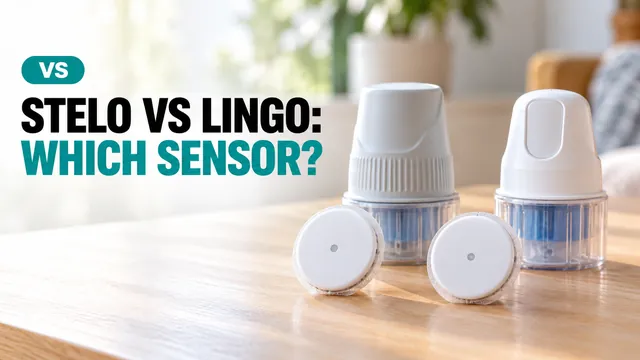
Stelo vs Lingo on a GLP-1: which no-prescription glucose sensor fits
Stelo if you are 18 or older and not on insulin, with or without diabetes. Lingo if you want a wellness tool for food experiments.
Read the article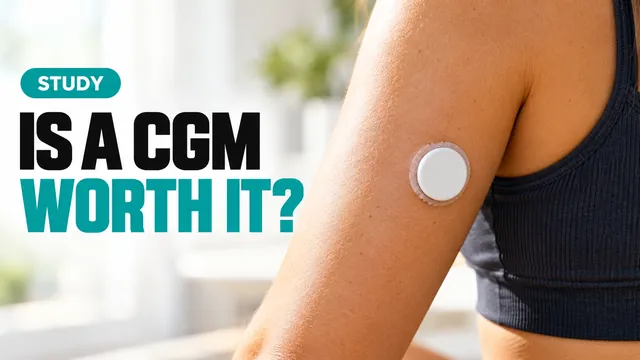
Is a CGM worth it if you're not diabetic?
For most people without diabetes, one or two sensors as a food experiment. A few spikes after meals are normal.
Read the article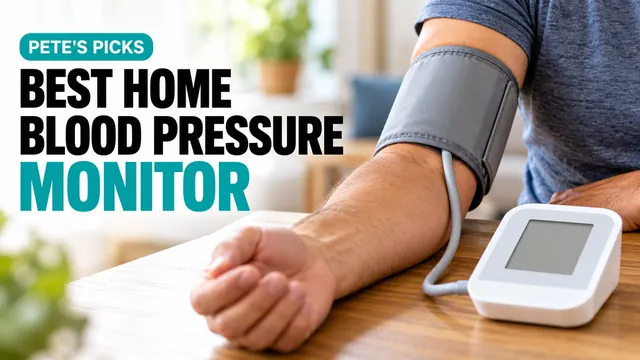
Best home blood pressure monitor: Omron vs Withings
Five upper-arm monitors compared on cuff size, validation, memory and app, plus the American Heart Association's steps for a reading you can trust.
Read the article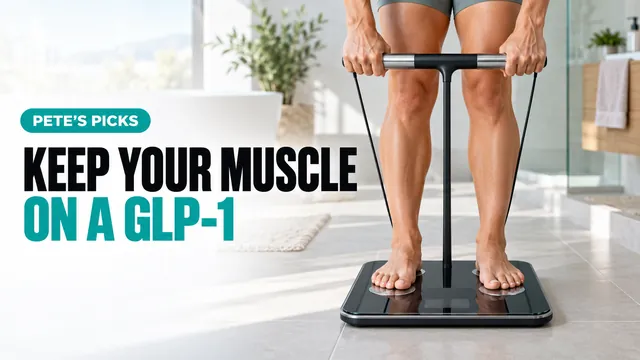
Body composition scales that show arms, legs, and trunk
A handle scale for muscle trends on semaglutide, and a four-week check that pairs the scale with a strength log.
Read the article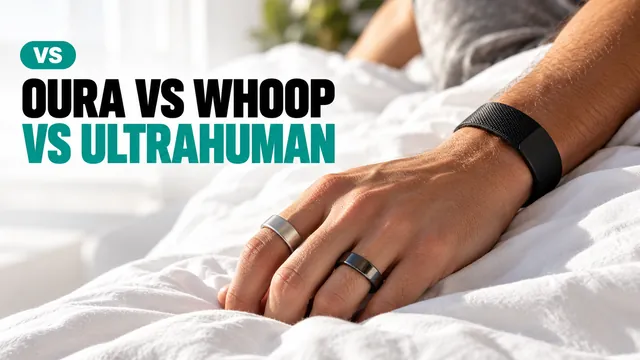
Oura vs WHOOP vs Ultrahuman on a GLP-1
Resting heart rate and sleep, compared on two-year cost. The Wegovy label says heart rate can rise and should be monitored.
Read the article
DEXA vs smart scale: how to tell if you're losing muscle
DEXA measures lean mass. A smart scale watches the trend between scans. Body-composition scans start at about $40.
Read the article
Protein shake for GLP-1 users: the best powders
Why protein falls when appetite does, which scoops sit easier, and the three Amazon listings sold by Amazon.com or the brand.
Read the article
Best fiber supplement on Ozempic: psyllium, and when to ask first
Psyllium has the strongest trial record for constipation. The US Wegovy label reports it in 24% of adults on the medicine and 11% on placebo.
Read the article
Best electrolytes on a GLP-1: zero-sugar picks by sodium
Five mixes compared on sodium, potassium, and cost. Ask a prescriber first if you limit salt or potassium.
Read the article
Best smart scale on a GLP-1, and when a DEXA is worth it
Home scales measure weight and estimate the rest. A hospital study said they should not replace DEXA.
Read the article
Best copper peptide serums, ranked by what the label discloses
NIOD and COSRX state a GHK-Cu amount. The Ordinary's 1% is in the name, and the brand page does not define it.
Read the article
Retatrutide FDA approval status 2026
Not filed. Lilly's October 28, 2026 release reported TRANSCEND-T2D-2 and did not announce a US application. The plan on the record is still a filing in the first quarter of 2027.
Read the article
Is GHK-Cu FDA approved? The cream, the injection, and where each one stands
No, for any use. Creams and serums sell as cosmetics. Injectable GHK-Cu is off FDA's compounding lists, and Health Canada has recalled powder.
Read the article
GHK-Cu side effects: what skin users, injectors, and the studies report
Skin trials recorded few problems. The injection has no published human trial. Copper, the liver, and the reports people call the copper uglies.
Read the article
BPC-157 vs TB-500: what the Wolverine stack has behind it
Two different peptides, sold together as a healing blend. The only study that tested the pair, in rats, found the combination did no better than either one alone. Neither has a published trial for injuries in people.
Read the article
Semaglutide muscle loss: lean mass −9.7%, fat mass −19.3%
STEP-1 found lean body mass fell 9.7% while fat mass fell 19.3%, tirzepatide showed a similar pattern, and "lean mass" is not the same as skeletal muscle. What the trials measured, what they did not, and the evidence grade for each claim.
Read the article
Retatrutide TRIUMPH results: 25.0% weight loss at 80 weeks, still unapproved
The published TRIUMPH-1 paper reports 25.0% mean weight loss at 12 mg versus 3.9% with placebo at 80 weeks. Lilly's 28.3% figure is the on-treatment estimand from a May 2026 announcement. TRIUMPH-2 reported 20.8% in type 2 diabetes. Still unapproved.
Read the article
Semaglutide vs tirzepatide: tirzepatide lost 20.2%, semaglutide 13.7%
The one direct head-to-head trial, SURMOUNT-5, found tirzepatide led to greater average weight loss than semaglutide at 72 weeks in adults with obesity. What that trial found, what it did not test, and where the evidence for the two drugs is not comparable.
Read the article
Does BPC-157 Have Human Clinical Trials?
As of October 2026, there is no full peer-reviewed randomized controlled trial of BPC-157 in humans for any indication. The complete human record: three published uncontrolled studies, two historical conference-abstract programs, and registered trials with missing or not-yet-available results.
Read the article
Stopping semaglutide: two-thirds of lost weight returned in a year
Weight regain is common after semaglutide is stopped. In the 327-person STEP 1 extension, participants regained about two-thirds of their previous weight loss within a year, while STEP 4 shows continued treatment and withdrawal produce different trajectories.
Read the article
Semaglutide thyroid warning: what do the studies really say about cancer?
The boxed thyroid tumor warning exists because semaglutide caused thyroid C-cell tumors in lifetime studies in mice and rats. Human trials have not established that semaglutide causes thyroid cancer in people, and the relevance of the rodent finding remains unknown.
Read the article