

References: 6 · Human studies: 3 · Status as of Oct 12, 2026
Jump to: Talk to your prescriber first · What healthy glucose looks like · Who gets the most out of one · The two OTC sensors · How to run a two-week trial · Common questions
Glucose sensors now sell without a prescription, and your feed is full of meal-spike videos. We read what researchers found when healthy people wore them.
The useful question is who gets real value from a two-week trial.
On this page

What healthy glucose looks like on a sensor
Three studies put sensors on people without diabetes.
- Normal ranges. A 2019 multicenter study gave 153 healthy people a blinded Dexcom sensor for up to 10 days. Average glucose was 98 to 99 mg/dL in most age groups and 104 mg/dL over age 60. People spent a median 2.1% of the day, about 30 minutes, above 140 mg/dL (Shah 2019, PMID 31127824).
- Spikes happen. A Stanford study found that people rated normal by standard tests still reached the prediabetic range 15% of the time on a sensor (Hall 2018, PMID 30040822).
- Same meal, different curve. An Israeli study tracked 800 people through 46,898 meals and found wide differences in how people responded to identical meals (Zeevi 2015, PMID 26590418).
These studies measured glucose patterns. None tested whether wearing a sensor makes people without diabetes healthier over time.

Who gets the most out of one
How to run a two-week trial
- Eat normally for the first three days to see your baseline.
- Then test one change at a time: the same breakfast with and without a walk, or rice before and after protein.
- Log meals in the app so the curves have labels.
- Look at your average and time between 70 and 140, not single peaks.
- Take the report to your doctor if anything looks off. Don't diagnose yourself from it.
Common questions
Is a CGM worth it if you're not diabetic?
For most people, one or two sensors as a food experiment is enough. Studies of healthy people show glucose stays between 70 and 140 mg/dL most of the day, and no study we found showed long-term health gains from wearing one without diabetes.
What is a normal glucose level on a CGM?
In a 2019 study of 153 healthy people, average sensor glucose was 98 to 99 mg/dL, or 104 mg/dL over age 60, with a median 96% of the day between 70 and 140 mg/dL.
Is it normal to spike above 140 after eating?
Yes, briefly. Healthy people in the 2019 study spent a median 30 minutes a day above 140 mg/dL.
Which CGM can I buy without a prescription?
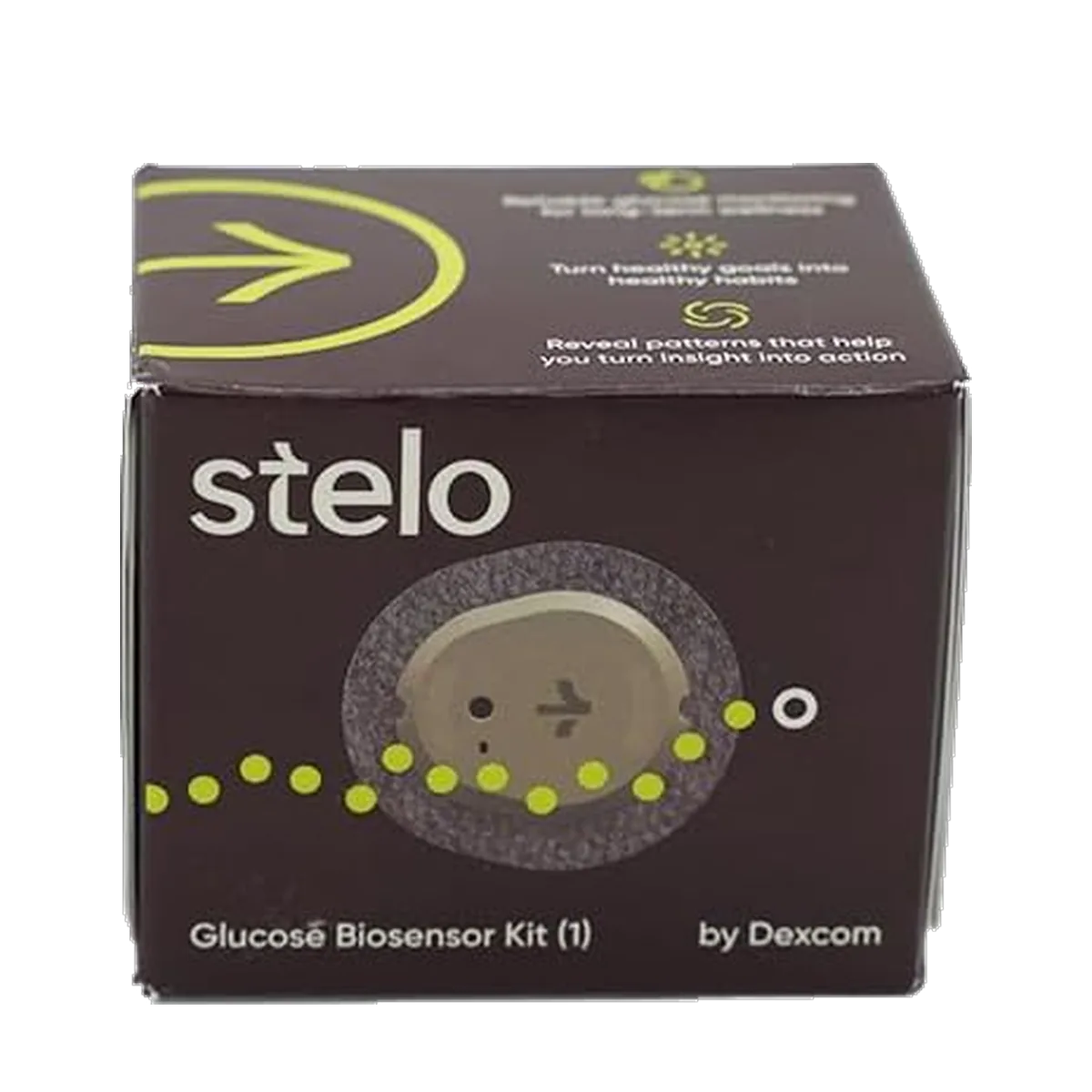
In the US, Stelo by Dexcom and Lingo by Abbott. Dexcom G7 and FreeStyle Libre 3 need a prescription.
Can I wear a CGM while on Ozempic?
The label pages we read don't exclude GLP-1 users, but both exclude insulin users. Ask your prescriber before starting, and don't change any medicine from a sensor reading.
How much does a CGM cost without insurance?
Lingo is the sensor I can link on Amazon. Stelo is sold by Dexcom. I left the prices off this page. Both brands say the sensors can be HSA/FSA eligible. Check that with your plan.
If I could only buy one
If I could only buy one sensor for a short experiment without diabetes, it's Lingo. If the label needs to match prediabetes, it's Stelo, from Dexcom, and I don't have a button for it.
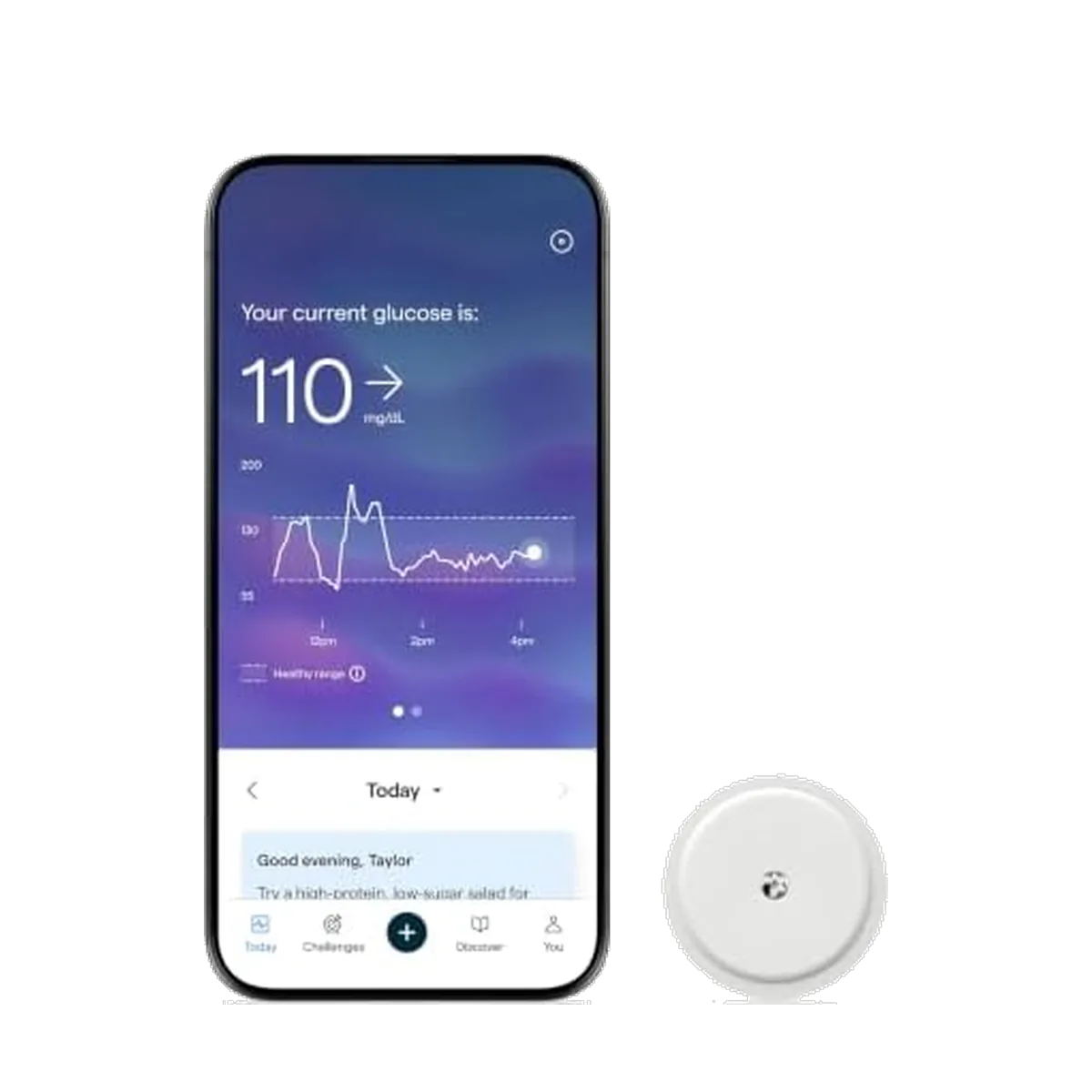
Best for people who want a short wellness trial: Lingo by Abbott
Check Today's Price on AmazonAs an Amazon Associate, Straight Up Peptides earns from qualifying purchases.- If you have prediabetes and aren't on insulin, get Stelo by Dexcom.
What changed: Oct 16, 2026. Pete Scores now sit between 7.8 and 9.6. Stelo stays on the page without an Amazon button.
This page includes affiliate links. If you buy through them, we earn a commission at no extra cost to you. As an Amazon Associate, Straight Up Peptides earns from qualifying purchases.
Research information, not medical advice. Over-the-counter sensors are not for diagnosing diabetes. Talk to your prescriber about your glucose and your medicines.
Sources, methodology, and changes
Methodology. PubMed search on 2026-10-12 (continuous glucose monitoring, nondiabetic, healthy, postprandial). We read the Stelo and Lingo label pages and the Amazon US listings on October 12, 2026 from a New York delivery address. We did not wear or test a sensor.
Primary sources.
- Shah VN et al., 2019, J Clin Endocrinol Metab: PMID 31127824
- Hall H et al., 2018, PLoS Biol. Glucotypes: PMID 30040822
- Zeevi D et al., 2015, Cell. Personalized nutrition by prediction of glycemic responses: PMID 26590418
- Stelo indications and pricing, checked Oct 12, 2026: https://www.stelo.com/en-us/buy-stelo-one-time
- Lingo plans and eligibility, checked Oct 12, 2026: https://www.hellolingo.com/products
- Amazon US listing, Oct 12, 2026: B0DRVD8TH8 (Lingo 1-pack, sold by Amazon.com)
Changes. Oct 12, 2026: first published. Oct 17, 2026: shortened the top of the page so the product photo shows on a phone.